Discover how to safely do sports during Ramadan with practical tips on exercise, hydration, nutrition, and maintaining your energy while fasting.
Fasting from dawn to sunset while keeping up with your training schedule sounds like a contradiction, but millions of athletes and fitness enthusiasts do it every year during Ramadan. The real question isn’t whether you should exercise during this month: it’s how to do it without wrecking your body. Ramadan in 2026 falls during late February and March, which means shorter fasting windows in the Northern Hemisphere compared to summer months, giving athletes a slight advantage. Still, going 12 to 14 hours without food or water creates genuine physiological challenges that demand respect. Most generic fitness advice ignores these realities and just tells you to « listen to your body, » which is about as useful as telling someone lost in the woods to « find the trail. » What you actually need is a concrete framework: when to train, what to eat, how to hydrate, and when to pull back. That’s exactly what this guide covers, so you can keep doing sports during Ramadan without sacrificing your health or your faith.
Physiological Impact of Fasting on Athletic Performance
Your body doesn’t just get a little hungry during a fast. It undergoes measurable metabolic shifts that directly affect how you perform. Understanding these changes is the difference between training smart and training recklessly.
Understanding Glycogen Depletion and Energy Management
Glycogen, the stored form of glucose in your muscles and liver, is your body’s preferred fuel for moderate to high-intensity exercise. During a typical fasting day, liver glycogen drops significantly within the first 8 to 10 hours. By the time you’re 12 hours into a fast, your body starts relying more heavily on fat oxidation for energy, which works fine for low-intensity movement but falls short during sprints, heavy lifts, or explosive sports.
This metabolic shift means your power output drops roughly 5 to 15 percent during the later hours of fasting, according to research published in sports medicine journals. Your body isn’t broken: it’s just running on a different fuel system. The practical takeaway is that you can’t expect the same performance at hour 13 of a fast as you’d get after a proper pre-workout meal. Planning your training intensity around this reality is non-negotiable.
Recognizing Warning Signs of Dehydration and Fatigue
Dehydration is the bigger threat during Ramadan, especially because you can’t sip water between sets. Even a 2 percent drop in body water can reduce endurance by up to 20 percent and impair cognitive function. Watch for these red flags during training:
- Dizziness or lightheadedness that doesn’t resolve after sitting down
- Heart rate that spikes disproportionately to the effort you’re putting in
- Dark urine color before your workout even begins
- Muscle cramps that appear earlier than usual
- Difficulty concentrating or a feeling of mental fog
If you notice two or more of these signs, stop the session. No workout is worth a trip to the emergency room.
Optimal Timing for Training Sessions
The single most important decision you’ll make about exercise during Ramadan is when you train. Get this right, and everything else becomes manageable.
Pre-Iftar: Low-Intensity Maintenance Workouts
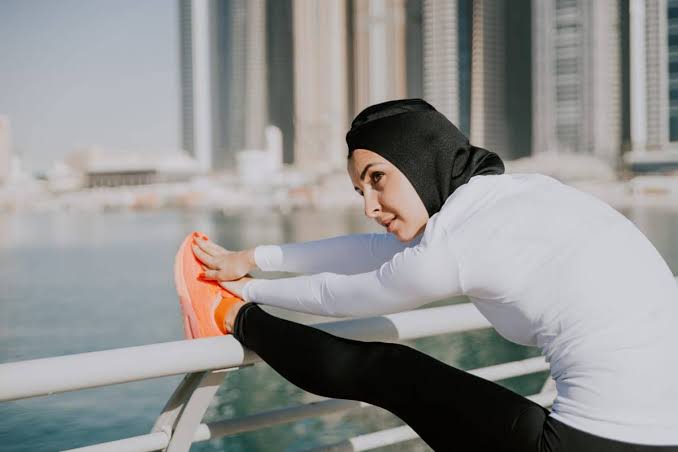
Training 60 to 90 minutes before iftar (the sunset meal) is popular because you know hydration and nutrition are just around the corner. The catch: you’re at your most depleted. This window works best for yoga, light jogging, stretching, or bodyweight circuits at 50 to 60 percent of your normal intensity. Think of it as maintenance mode. You’re keeping your body moving without asking it to perform miracles on empty tanks. Many recreational athletes find this slot psychologically easier because the end of the fast is in sight.
Post-Iftar: High-Intensity and Strength Training
If you have serious performance goals or want to maintain muscle mass, post-iftar is your golden window. Wait about 90 minutes after eating to let initial digestion settle, then train with real intensity. You’ll have food in your system, water available, and the ability to refuel immediately after. This is the only time during Ramadan when pushing for personal records or doing heavy compound lifts makes physiological sense. The downside is that this often means training at 9 or 10 PM, which can interfere with sleep, so you’ll need to balance the tradeoff.
Pre-Suhoor: Early Morning Cardio Options
Some athletes prefer waking up around 3:30 or 4:00 AM, eating suhoor, and training lightly before the fast begins at dawn. This works surprisingly well for steady-state cardio: a 30-minute jog, cycling, or swimming. You’ve just eaten, you can hydrate during the session, and you start your fasting day with the workout already done. The obvious challenge is sleep deprivation, which compounds over the month. If you choose this route, commit to a 20-minute nap during the day to offset the early wake-up.
Nutritional Strategies for Sustained Energy
You have roughly 8 to 10 hours of eating window during Ramadan. Every calorie and every glass of water counts more than it does during any other month.
Suhoor Essentials: Complex Carbs and Slow-Release Proteins
Suhoor isn’t just breakfast: it’s your fuel tank for the entire day. A suhoor built around simple sugars and white bread will leave you crashing by noon. Instead, focus on foods that release energy slowly over 6 to 8 hours.
- Oatmeal with nuts and seeds provides complex carbohydrates and healthy fats
- Eggs or Greek yogurt deliver slow-digesting protein
- A banana adds potassium, which helps with hydration retention
- A tablespoon of nut butter adds caloric density without bulk
- Two to three glasses of water, spaced out rather than chugged at once
Avoid overly salty foods at suhoor. They’ll make you thirstier by midday, and you won’t be able to do anything about it.
Iftar Recovery: Rehydration and Muscle Repair
Break your fast with dates and water: this tradition is actually backed by science, since dates provide quick glucose to restore blood sugar, and water begins rehydration immediately. Within the first hour, aim for a balanced meal with lean protein (chicken, fish, lentils), complex carbohydrates (brown rice, sweet potatoes), and vegetables. If you’re training post-iftar, treat this meal as your pre-workout nutrition.
Between iftar and suhoor, drink at least 2 to 2.5 liters of water. Don’t try to drink it all at once: spread it across the evening in 250ml portions every 30 to 45 minutes. A whey protein shake before bed can support muscle repair overnight, especially if you trained that evening.
Adjusting Workout Intensity and Volume
Here’s where ego needs to take a back seat. Ramadan is not the month to chase gains.
Prioritizing Maintenance Over Muscle Growth
Reduce your training volume by 30 to 40 percent compared to your normal program. If you normally do 5 sets of squats, drop to 3. If you run 10 kilometers, run 6. The goal during Ramadan is to maintain the fitness you’ve built, not to build new capacity. Research consistently shows that muscle mass and strength can be preserved for 3 to 4 weeks with reduced training volume, as long as intensity (weight on the bar, pace per kilometer) stays reasonably close to your baseline.
This is a mental shift as much as a physical one. You’ll feel like you should be doing more. Resist that impulse. The athletes who come out of Ramadan in the best shape are the ones who trained conservatively and stayed healthy, not the ones who pushed through and ended up injured or overtrained.
Modified Recovery Periods and Rest Days
Your recovery capacity is reduced during fasting because sleep is often disrupted, caloric intake is compressed, and hydration is limited. Add an extra rest day per week: if you normally train 5 days, train 4. Extend rest periods between sets from 60 seconds to 90 or even 120 seconds. Your muscles need more time to clear metabolic waste when you’re in a fasted or semi-fasted state.
Active recovery days with walking, gentle stretching, or foam rolling are more valuable during Ramadan than they are during any other time of year. Don’t skip them.
Hydration Management Outside of Fasting Hours
Water intake during the non-fasting hours deserves its own strategy because it’s the single biggest factor in how safely you can exercise during Ramadan. Most people underestimate how much fluid they lose during a training session: even a moderate 45-minute workout can cost you 500 to 800ml of sweat.
Your target should be 2.5 to 3 liters of total fluid intake between iftar and suhoor. Water is king, but you can also count herbal teas, milk, and water-rich foods like watermelon and cucumber toward your total. Coconut water is a smart choice post-workout because it contains natural electrolytes without the sugar load of most sports drinks.
One practical trick: keep a 1-liter bottle next to you during the evening and set phone reminders to drink every 30 minutes. It sounds excessive, but most people who « forget » to hydrate during the evening are the same ones who feel terrible during the next day’s fast. Avoid caffeine after 8 PM, as it acts as a mild diuretic and can interfere with the sleep you’re already struggling to get enough of.
Sleep Hygiene and Body Listening Practices
Sleep is the invisible casualty of Ramadan. Between late-night meals, early suhoor alarms, and Taraweeh prayers, many people end up sleeping 4 to 5 hours per night. For athletes, this is a serious problem: growth hormone release, muscle repair, and cognitive recovery all depend on adequate sleep.
Aim for a minimum of 6 hours of total sleep, even if it’s split into two blocks. A core sleep of 4 to 5 hours after Isha prayers, plus a 60 to 90-minute nap in the afternoon, can get you close to adequate recovery. Keep your bedroom cool and dark, and avoid screens for 30 minutes before sleep. If your body is telling you to skip a workout, skip it. Chronic sleep deprivation combined with fasting and exercise is a recipe for illness, injury, or both.
Pay attention to your resting heart rate each morning. If it’s elevated by more than 8 to 10 beats above your normal baseline, your body is under significant stress. Take that as a signal to rest, not train. Heart rate variability apps on smartwatches have made this kind of monitoring accessible to everyone, and during Ramadan, that data is genuinely useful rather than just interesting.
The athletes and fitness enthusiasts who thrive during Ramadan share one trait: they treat the month as a different season of training, not a test of willpower. Reduce volume, protect sleep, hydrate aggressively during non-fasting hours, and time your workouts around your eating windows. You won’t set any personal records this month, and that’s perfectly fine. The point is to stay active, stay healthy, and arrive at Eid with your fitness base intact and your body unharmed. Ramadan is a time of discipline and reflection: apply that same discipline to your training by knowing when to push and, more importantly, when to rest.

How to Safely Do Sports During Ramadan ?
Fasting from dawn to sunset while keeping up with your training schedule sounds like a contradiction, but millions of athletes and fitness enthusiasts do it every year during Ramadan. The real question isn’t whether you should exercise during this month: it’s how to do it without wrecking your body. Ramadan in 2026 falls during late February and March, which means shorter fasting windows in the Northern Hemisphere compared to summer months, giving athletes a slight advantage. Still, going 12 to 14 hours without food or water creates genuine physiological challenges that demand respect. Most generic fitness advice ignores these realities and just tells you to « listen to your body, » which is about as useful as telling someone lost in the woods to « find the trail. » What you actually need is a concrete framework: when to train, what to eat, how to hydrate, and when to pull back. That’s exactly what this guide covers, so you can keep doing sports during Ramadan without sacrificing your health or your faith.
Physiological Impact of Fasting on Athletic Performance
Your body doesn’t just get a little hungry during a fast. It undergoes measurable metabolic shifts that directly affect how you perform. Understanding these changes is the difference between training smart and training recklessly.
Understanding Glycogen Depletion and Energy Management
Glycogen, the stored form of glucose in your muscles and liver, is your body’s preferred fuel for moderate to high-intensity exercise. During a typical fasting day, liver glycogen drops significantly within the first 8 to 10 hours. By the time you’re 12 hours into a fast, your body starts relying more heavily on fat oxidation for energy, which works fine for low-intensity movement but falls short during sprints, heavy lifts, or explosive sports.
This metabolic shift means your power output drops roughly 5 to 15 percent during the later hours of fasting, according to research published in sports medicine journals. Your body isn’t broken: it’s just running on a different fuel system. The practical takeaway is that you can’t expect the same performance at hour 13 of a fast as you’d get after a proper pre-workout meal. Planning your training intensity around this reality is non-negotiable.
Recognizing Warning Signs of Dehydration and Fatigue
Dehydration is the bigger threat during Ramadan, especially because you can’t sip water between sets. Even a 2 percent drop in body water can reduce endurance by up to 20 percent and impair cognitive function. Watch for these red flags during training:
- Dizziness or lightheadedness that doesn’t resolve after sitting down
- Heart rate that spikes disproportionately to the effort you’re putting in
- Dark urine color before your workout even begins
- Muscle cramps that appear earlier than usual
- Difficulty concentrating or a feeling of mental fog
If you notice two or more of these signs, stop the session. No workout is worth a trip to the emergency room.
Optimal Timing for Training Sessions
The single most important decision you’ll make about exercise during Ramadan is when you train. Get this right, and everything else becomes manageable.
Pre-Iftar: Low-Intensity Maintenance Workouts
Training 60 to 90 minutes before iftar (the sunset meal) is popular because you know hydration and nutrition are just around the corner. The catch: you’re at your most depleted. This window works best for yoga, light jogging, stretching, or bodyweight circuits at 50 to 60 percent of your normal intensity. Think of it as maintenance mode. You’re keeping your body moving without asking it to perform miracles on empty tanks. Many recreational athletes find this slot psychologically easier because the end of the fast is in sight.
Post-Iftar: High-Intensity and Strength Training
If you have serious performance goals or want to maintain muscle mass, post-iftar is your golden window. Wait about 90 minutes after eating to let initial digestion settle, then train with real intensity. You’ll have food in your system, water available, and the ability to refuel immediately after. This is the only time during Ramadan when pushing for personal records or doing heavy compound lifts makes physiological sense. The downside is that this often means training at 9 or 10 PM, which can interfere with sleep, so you’ll need to balance the tradeoff.
Pre-Suhoor: Early Morning Cardio Options
Some athletes prefer waking up around 3:30 or 4:00 AM, eating suhoor, and training lightly before the fast begins at dawn. This works surprisingly well for steady-state cardio: a 30-minute jog, cycling, or swimming. You’ve just eaten, you can hydrate during the session, and you start your fasting day with the workout already done. The obvious challenge is sleep deprivation, which compounds over the month. If you choose this route, commit to a 20-minute nap during the day to offset the early wake-up.
Nutritional Strategies for Sustained Energy
You have roughly 8 to 10 hours of eating window during Ramadan. Every calorie and every glass of water counts more than it does during any other month.
Suhoor Essentials: Complex Carbs and Slow-Release Proteins
Suhoor isn’t just breakfast: it’s your fuel tank for the entire day. A suhoor built around simple sugars and white bread will leave you crashing by noon. Instead, focus on foods that release energy slowly over 6 to 8 hours.
- Oatmeal with nuts and seeds provides complex carbohydrates and healthy fats
- Eggs or Greek yogurt deliver slow-digesting protein
- A banana adds potassium, which helps with hydration retention
- A tablespoon of nut butter adds caloric density without bulk
- Two to three glasses of water, spaced out rather than chugged at once
Avoid overly salty foods at suhoor. They’ll make you thirstier by midday, and you won’t be able to do anything about it.
Iftar Recovery: Rehydration and Muscle Repair
Break your fast with dates and water: this tradition is actually backed by science, since dates provide quick glucose to restore blood sugar, and water begins rehydration immediately. Within the first hour, aim for a balanced meal with lean protein (chicken, fish, lentils), complex carbohydrates (brown rice, sweet potatoes), and vegetables. If you’re training post-iftar, treat this meal as your pre-workout nutrition.
Between iftar and suhoor, drink at least 2 to 2.5 liters of water. Don’t try to drink it all at once: spread it across the evening in 250ml portions every 30 to 45 minutes. A whey protein shake before bed can support muscle repair overnight, especially if you trained that evening.
Adjusting Workout Intensity and Volume
Here’s where ego needs to take a back seat. Ramadan is not the month to chase gains.
Prioritizing Maintenance Over Muscle Growth
Reduce your training volume by 30 to 40 percent compared to your normal program. If you normally do 5 sets of squats, drop to 3. If you run 10 kilometers, run 6. The goal during Ramadan is to maintain the fitness you’ve built, not to build new capacity. Research consistently shows that muscle mass and strength can be preserved for 3 to 4 weeks with reduced training volume, as long as intensity (weight on the bar, pace per kilometer) stays reasonably close to your baseline.
This is a mental shift as much as a physical one. You’ll feel like you should be doing more. Resist that impulse. The athletes who come out of Ramadan in the best shape are the ones who trained conservatively and stayed healthy, not the ones who pushed through and ended up injured or overtrained.
Modified Recovery Periods and Rest Days
Your recovery capacity is reduced during fasting because sleep is often disrupted, caloric intake is compressed, and hydration is limited. Add an extra rest day per week: if you normally train 5 days, train 4. Extend rest periods between sets from 60 seconds to 90 or even 120 seconds. Your muscles need more time to clear metabolic waste when you’re in a fasted or semi-fasted state.
Active recovery days with walking, gentle stretching, or foam rolling are more valuable during Ramadan than they are during any other time of year. Don’t skip them.
Hydration Management Outside of Fasting Hours
Water intake during the non-fasting hours deserves its own strategy because it’s the single biggest factor in how safely you can exercise during Ramadan. Most people underestimate how much fluid they lose during a training session: even a moderate 45-minute workout can cost you 500 to 800ml of sweat.
Your target should be 2.5 to 3 liters of total fluid intake between iftar and suhoor. Water is king, but you can also count herbal teas, milk, and water-rich foods like watermelon and cucumber toward your total. Coconut water is a smart choice post-workout because it contains natural electrolytes without the sugar load of most sports drinks.
One practical trick: keep a 1-liter bottle next to you during the evening and set phone reminders to drink every 30 minutes. It sounds excessive, but most people who « forget » to hydrate during the evening are the same ones who feel terrible during the next day’s fast. Avoid caffeine after 8 PM, as it acts as a mild diuretic and can interfere with the sleep you’re already struggling to get enough of.
Sleep Hygiene and Body Listening Practices
Sleep is the invisible casualty of Ramadan. Between late-night meals, early suhoor alarms, and Taraweeh prayers, many people end up sleeping 4 to 5 hours per night. For athletes, this is a serious problem: growth hormone release, muscle repair, and cognitive recovery all depend on adequate sleep.
Aim for a minimum of 6 hours of total sleep, even if it’s split into two blocks. A core sleep of 4 to 5 hours after Isha prayers, plus a 60 to 90-minute nap in the afternoon, can get you close to adequate recovery. Keep your bedroom cool and dark, and avoid screens for 30 minutes before sleep. If your body is telling you to skip a workout, skip it. Chronic sleep deprivation combined with fasting and exercise is a recipe for illness, injury, or both.
Pay attention to your resting heart rate each morning. If it’s elevated by more than 8 to 10 beats above your normal baseline, your body is under significant stress. Take that as a signal to rest, not train. Heart rate variability apps on smartwatches have made this kind of monitoring accessible to everyone, and during Ramadan, that data is genuinely useful rather than just interesting.
The athletes and fitness enthusiasts who thrive during Ramadan share one trait: they treat the month as a different season of training, not a test of willpower. Reduce volume, protect sleep, hydrate aggressively during non-fasting hours, and time your workouts around your eating windows. You won’t set any personal records this month, and that’s perfectly fine. The point is to stay active, stay healthy, and arrive at Eid with your fitness base intact and your body unharmed. Ramadan is a time of discipline and reflection: apply that same discipline to your training by knowing when to push and, more importantly, when to rest.